Let's talk

01 — Intro

Mohammed Nihal.

Specialized in engineering interactive websites, unique user interfaces, and modern scroll animation websites powered by resilient Python/Django architecture and purposeful AI automation. Bridging the gap between expressive visual experience and deep system engineering.

  • RoleSoftware Developer · Full-Stack Web · AI & Automation
  • BackgroundBSc Chemistry, then postgraduate AI training
  • BasedBased in Kerala — Serving all over India & Worldwide
  • AcrossFrontend · Backend · Python/Django · AI/ML · Automation

Open to selected projects --:--:-- local

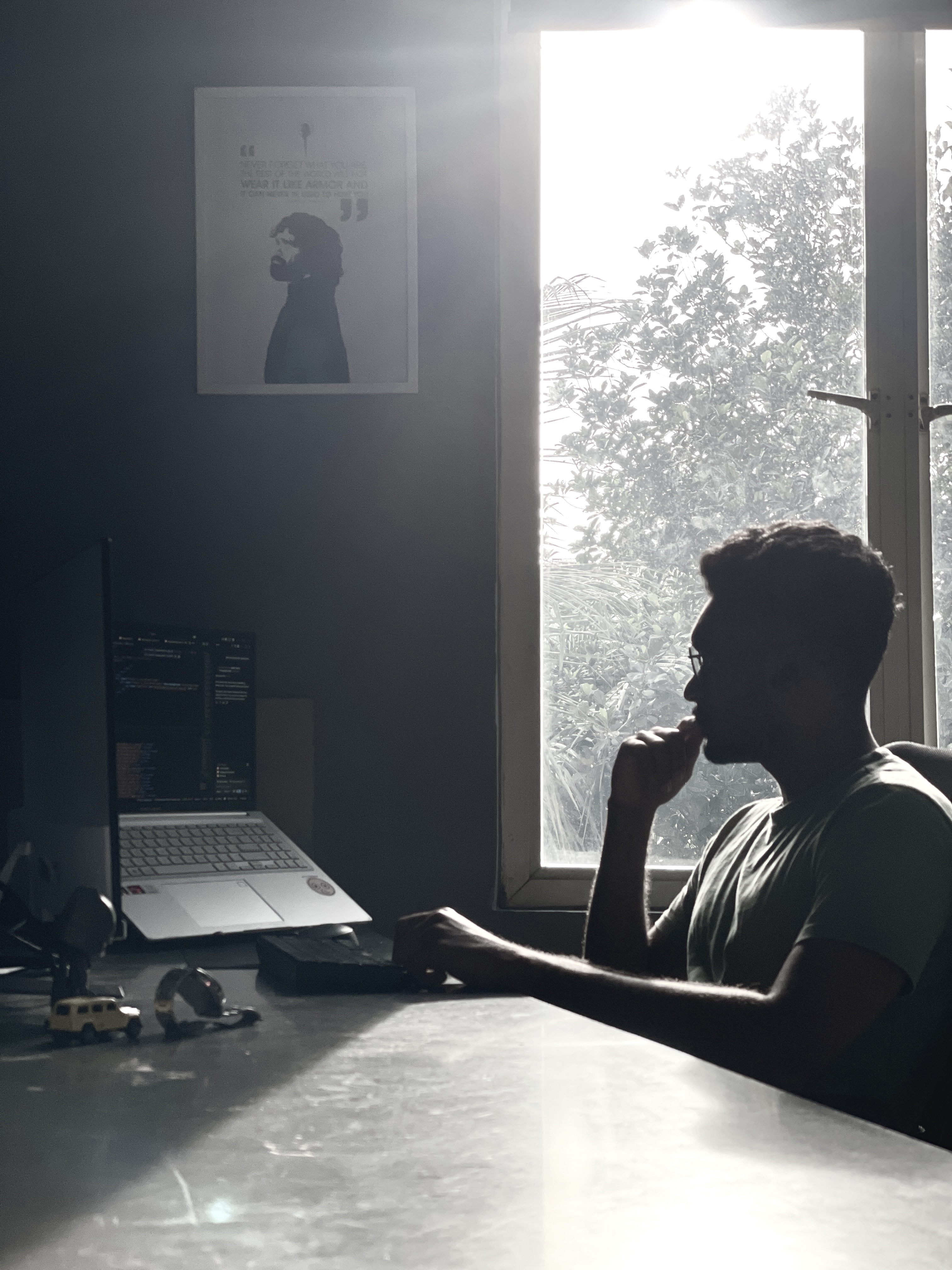
Mohammed Nihal — Software Developer based in Malappuram, Kerala
Fig. 01 — Mohammed Nihal, software developer

02 — My Story

I started with science, then found software.

Mohammed Nihal — Software Developer
Fig. 02 — Mohammed Nihal

My academic background is not traditionally a computer-science one. I completed a BSc in Chemistry, then built my software foundation through a postgraduate diploma in AI and hands-on programming work.

That combination shaped how I approach technology. I did not start by thinking only about frameworks or programming languages. I started by learning how to understand a problem, work with information, test an idea and build something that produces a useful result.

My early software work was rooted in Python, data analysis and machine learning — NumPy, Pandas, Matplotlib, Scikit-learn, TensorFlow, Keras, NLTK and OpenCV. I built projects around creditworthiness prediction, text-based emotion detection, large-scale patient-data analysis and API-driven web applications. Those gave me a foundation in data, algorithms, experimentation and problem solving.

From there my focus expanded toward building actual products and web systems. I moved deeper into HTML, CSS, JavaScript and Django, then into the practical concerns that do not show up in a tutorial: authentication, databases, dashboards, APIs, user roles, deployment, responsive interfaces, and maintaining a system after the first version is finished.

The most rewarding work lives where these disciplines intersect: crafting interactive websites with unique user interfaces where motion and typography tell a compelling story, constructing resilient Python and Django systems that scale securely, and implementing autonomous AI automation that eliminates operational friction.

Design, engineering, and intelligent automation are never isolated silos. For every client engagement, they form complementary layers of a singular mission: understanding the core objective, and architecting the system that delivers it seamlessly.
03 — What I Do

Different layers, one way of thinking.

Connecting every layer of the digital product experience — from interactive frontend motion to backend data architecture. While the project scope varies, the core objective remains constant: deliver memorable interfaces backed by durable engineering.

04 — How I Think

I care about what happens after the screenshot.

i Solve the problem before decorating it.

A polished interface is useful only when the underlying experience makes sense. I start by understanding what the user needs to do, what the system needs to handle and what can go wrong. The visual layer should support that rather than hide it.

ii Make technology earn its place.

I prefer tools because they solve a real problem, not because they are fashionable. A new framework, animation, AI model or service should make the product better, simpler or more capable. Otherwise it is just another dependency to maintain.

iii Build around the real constraints.

Budgets, existing systems, hosting, data quality, device limitations, deadlines and the people who have to maintain the project all shape good engineering decisions. The best solution is not always the most technically impressive one — it is the one that fits the actual situation.

iv Understand the system, not just the feature.

A feature rarely lives by itself. Authentication affects permissions. Data models affect reporting. APIs affect the frontend. Deployment affects architecture. I try to understand those relationships before making a change that creates a problem somewhere else.

v Keep learning by building.

My path into software has been heavily practical. I learn a technology, test it, build with it and then keep the parts that prove useful. That is how my work expanded from Python and AI into web applications, full-stack systems and automation.

05 — Skills / Toolkit

The tools change. The fundamentals stay.

Grouped by what each one is for, not by a percentage. Nobody is 87% at CSS.

Point at a tool to see what it works with. Tap a tool to see what it works with.

Languages & Frameworks

  • Python
  • JavaScript
  • TypeScript
  • HTML
  • CSS
  • C
  • C++
  • Bash
  • Django
  • FastAPI
  • Flask
  • React
  • Next.js
  • Node.js
  • Tkinter

AI & Machine Learning

  • NumPy
  • Pandas
  • Matplotlib
  • Seaborn
  • Scikit-learn
  • TensorFlow
  • PyTorch
  • Keras
  • NLTK
  • OpenCV
  • Deep Learning
  • NLP
  • Image Processing

Web & Interaction

  • Tailwind CSS
  • Bootstrap
  • WordPress
  • Shopify
  • Interactive websites
  • Unique user interfaces
  • Modern scroll animation
  • GSAP
  • Three.js / WebGL
  • Responsive layouts
  • API integration

Databases & Backend

  • PostgreSQL
  • MySQL
  • SQLite
  • MongoDB
  • Redis
  • Authentication
  • Role-based access
  • REST APIs
  • Database-backed apps

Cloud, DevOps & Automation

  • AWS
  • Google Cloud
  • Cloudflare Pages
  • Docker
  • Linux
  • GitHub Actions
  • Python automation
  • Data processing
  • API-driven workflows
  • FFmpeg

Tools & Workflow

  • Git
  • GitHub
  • PyCharm
  • Google Antigravity
  • Jupyter
  • Google Colab
  • Anaconda
  • Kaggle
  • Postman
  • Google Apps Script

06 — My Journey

From scientific training to software engineering.

  1. 2020–2023

    BSc in Chemistry

    N.S.S. College, Manjeri. A scientific foundation in structured thinking, analysis and problem solving.

  2. 2023 →

    Postgraduate AI training

    EDURE Software Training Institute, Trivandrum — a PG Diploma in AI, building a stronger foundation in Python, machine learning and data science.

  3. Foundation

    Learning through AI & data

    Hands-on projects in credit-risk prediction, natural-language processing, emotion classification, large-scale data analysis and an API-driven weather application.

  4. Expansion

    From models to products

    Into frontend and backend development — moving from standalone technical projects toward real web applications, interfaces, databases, authentication and business logic.

  5. Now

    Building broader systems

    Web development, full-stack applications, client-facing digital products and a growing interest in AI-powered automation.

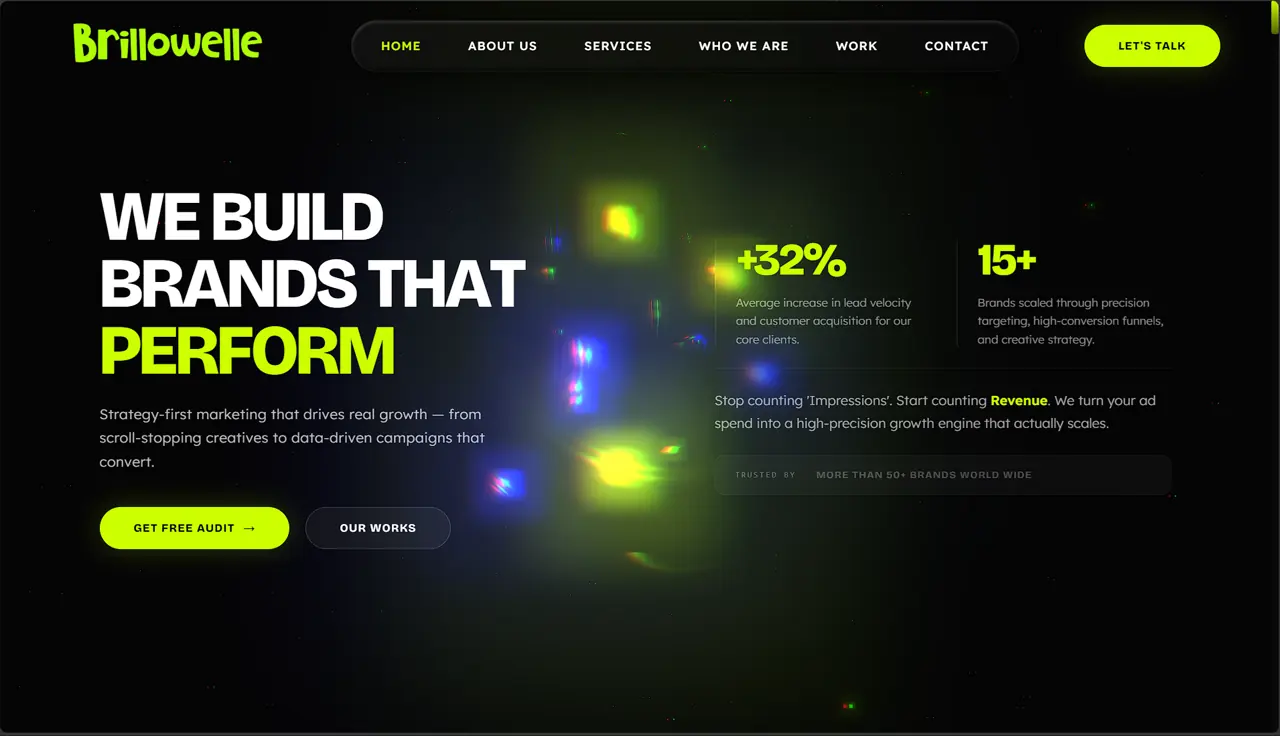
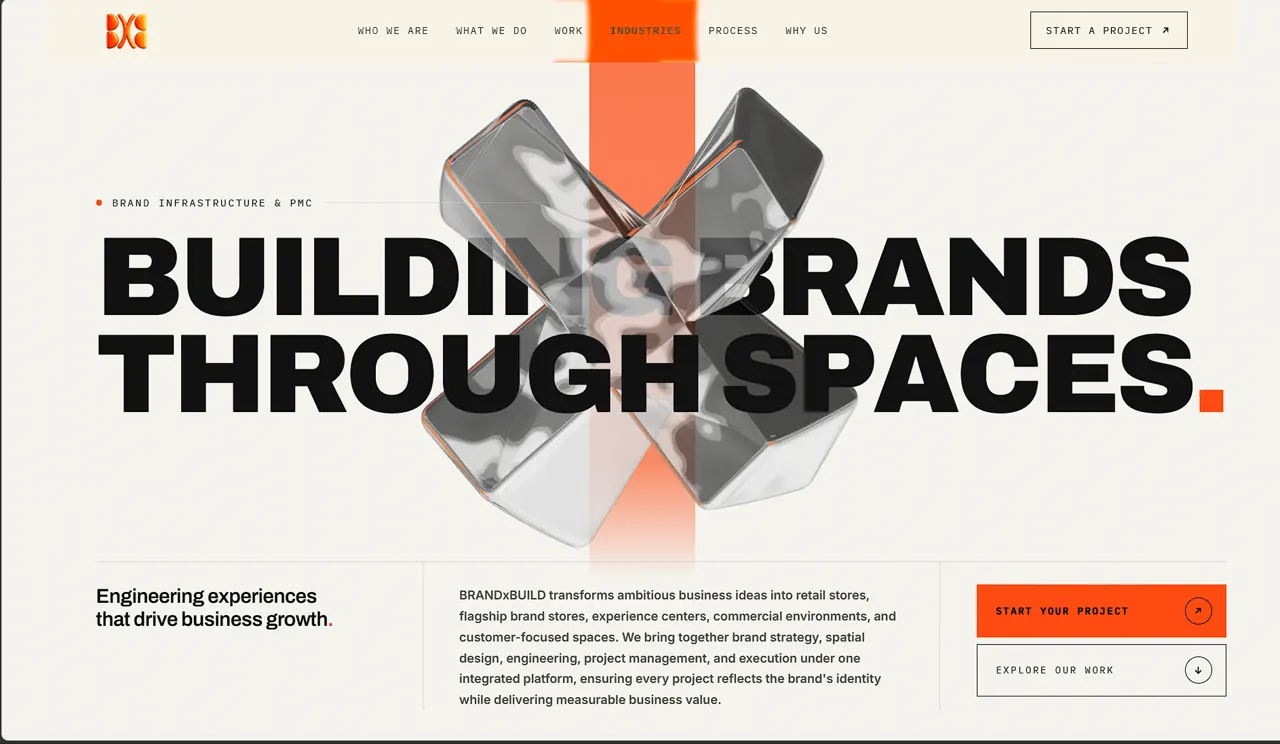
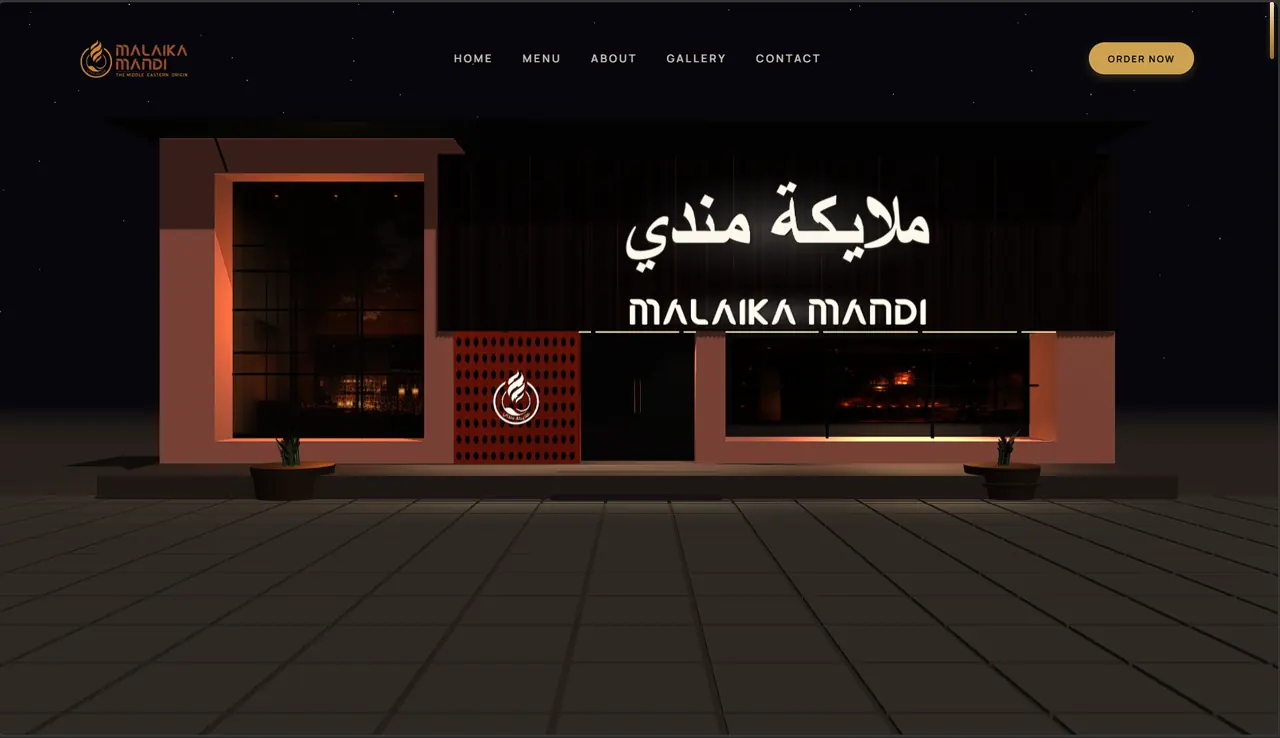
07 — Selected Work

A few projects that show different sides of the work.

See the full archive

08 — Beyond Work

There is more to me than the stack.

09 — Current Focus

What is taking shape right now.

Updated September 2026

Contact

Have a problem worth building around?

Tell me what you are trying to build, what is not working, or what is taking too much manual effort. I’ll help turn it into a working product.